Governance for GitHub, GitLab, and Forgejo
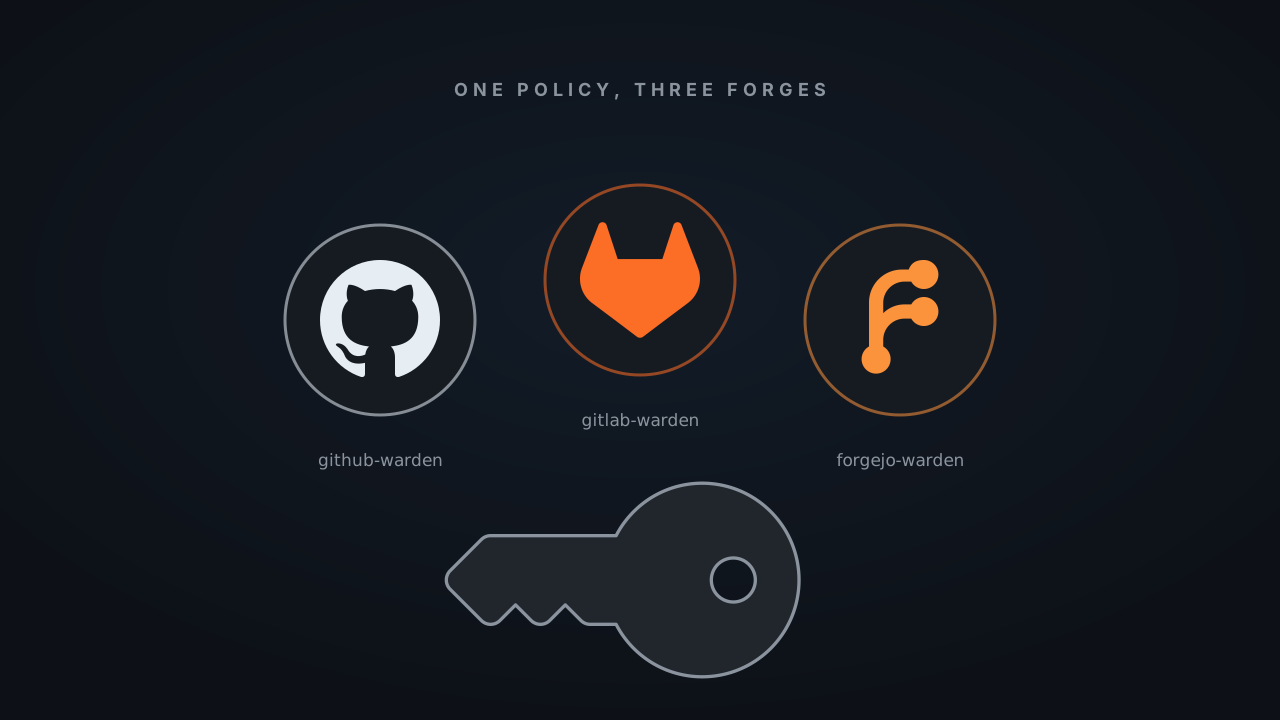
Getting all your forge settings and repo configs aligned can take some effort.
The forge wardens are here to help you:
One policy file
Each warden is driven by a single YAML policy.
Anything you don’t declare is never read, diffed or touched, and nothing gets deleted unless you meant it.
A collection of pipelines
That one policy drives every pipeline.
A pull request gets the plan, a merge gets the apply, and the audit runs overnight.
Audit comes standard
All three integrate chant’s audit engine.
This sweeps your managed repos for security and correctness posture, and report prints a compliance snapshot as JSON you can commit. The snapshot is perfect for auditors.
Chant under the hood
The wardens all sit on chant reconcile, a provider-agnostic reconcile core.
Each warden adds the client and the cycles for its own forge, giving all 3 consistent behavior.
Where they differ
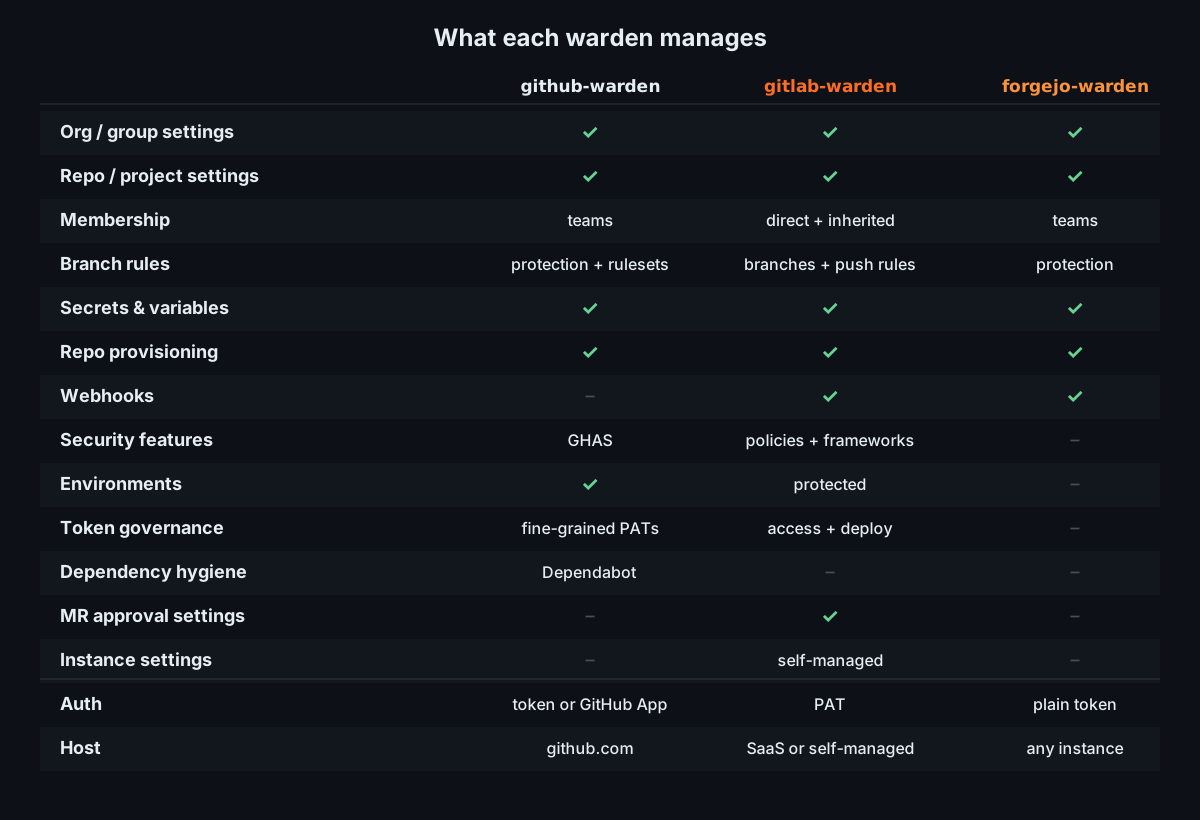
Every row is driven by the same policy file and checked by the same audit.
All you need is an API token and about ten minutes to see a dry-run in your forge.